|
|
|
|
- Sample around 55 rare, exclusive,
cask-conditioned ales and lagers - all for
the one ticket price.
- Expect creative brews,
English-style ales, wild ales, IPAs,
fruited beers, wood-aged brews, imperial
stouts, sour ales, lagers, special
dry-hops, and exceptional classic
styles!
- Experience one of the Southeast's
most highly regarded craft beer events! It's
a great way to end anyone's "Dry January."
- Delectable food from The Bold Monk
will be 10% off, so stay for dinner!
- Vote for "People's Choice" award!
- A morning panel of beer judges will
award medals to the top cask ales!
Tickets are not currently
on sale.
- Tickets
are only $50 plus tax and a low
processing fee. Tickets will sell
out online, and no tickets will be
available at the door.
- Bring
your
ticket
on your phone or printed out for
entry. Also bring photo ID. We can
check you in without a copy of your
ticket, but this will take longer.
- Tickets
are transferable to other persons.
We do not need prior notice on
transfers.
- 21
and up. NO children or pets please.
- Tickets
are non-refundable.
- The
beer list will be viewable online
two weeks prior to the festival on
www.Brewtopia.info. If you want a
paper copy of the list to make
notes, please remember to print this
out at home before coming to the
festival.
- Also
be sure to see the "Attendance
Notes" section near the bottom...
Want to
be "in the know" regarding exclusive
events like this one? Subscribe to
our monthly email Brewsletter to receive
advance notice of ticket sales for all
our popular events...
Beers at
this event are licensed GA brands
purchased by The Bold Monk (a licensed
beer retail server) from licensed
Georgia distributors and sold to
attendees by The Bold Monk as part
of a ticket price. All federal and
state taxes on the beer will be paid
by The Bold
Monk and
Georgia distributors. Brewers/distributors
do
not pay for nor provide any monetary or
promotional consideration to the
organizers or to the location of the
event.
After operating and
organizational costs, proceeds
benefit the Atlanta Humane
Society. AHS will also be
present at the event to accept
additional tax-deductible
donations.
|
|
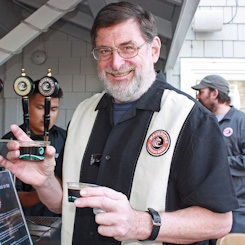
Special Guest:
PETE SLOSBERG
Craft beer pioneer who founded Pete's Wicked Ale
in 1986

Good Word Brewing's Todd DiMatteo
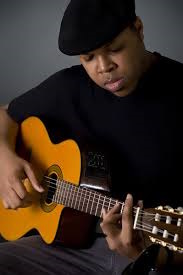
Live Blues from
Tre Powell
|
|
Just what is cask ale (a.k.a. real ale)?
Cask ale (or cask-conditioned ale) is
young beer that has been placed in small, metal,
English casks called firkins. In the sealed firkin
the beer undergoes a special conditioning process
whereby the yeast produces soft, natural
carbonation and elegant flavor components before
settling to the bottom of the cask. After a time,
excess carbonation is vented and a serving tap is
hammered into a spout on the cask. The beer is
served without pasteurization or additions of
artificial carbon dioxide or other gas. This is soft, fresh,
living beer the way it was meant to be served!
Attendees
at
the Atlanta Cask Ale Tasting (ACAT) will be amazed
at the complexity and smooth, delicious character
of these special real ales. The beer lineup at
ACAT will include cask versions of classic styles
and many outrageous specialty beers with
exceptional ingredients! Expect classic UK
beer styles, wild ales, hazy IPAs, fruit beers,
wood-aged brews, lagers, stouts, sour ales,
special dry-hops, and MUCH MORE! A
panel of beer judges will conduct a morning blind
judging session and award "best of show" ribbons.
|

All Your Cask Ale Equipment Needs
---------
|
ATTENDANCE NOTES:
- Bring your ticket on paper or your phone.
Bring photo ID. Tickets are
transferable to other persons. We do not need
prior notice on transfers.
- The beer list will be viewable online two
weeks prior to the festival at
www.Brewtopia.info. If you want a paper copy of the
list, please remember to print this out at
home before coming to the festival.
- All attendees must agree to a liability
release waiver and terms/conditions on our
ticket site.
- Dress in warm clothes. The facility will be
cool to keep the beer at the proper serving
temperature.
- We do ask that all guests be responsible,
use moderation and remember that this event
is for beer tasting and appreciation - not
overindulgence. 21 and up - bring photo
ID. Uber and Lyft are easy in Atlanta,
so please do
not drink and drive.
- Designated drivers are not
allowed in cask serving areas but are welcome
to sit, eat, and relax at The Bold Monk. There
is limited space at this event, and every
ticket supports the Humane Society.
Unfortunately, we cannot offer discounted
tickets for designated drivers. Thanks for
understanding.
- In case of
severe winter weather, every effort
will be made to postpone the event to the
following day - Sunday. To check on
event status in case of pending severe
weather, see the BREWTOPIA EVENTS LLC
Facebook page or www.Brewtopia.Info. Sorry, there
can be NO refunds for any tickets - even
if severe winter weather forces
postponement.
- Some beers will run out before the end of
the event.
- CODE OF CONDUCT: ACAT is dedicated to a
harassment-free festival experience for
everyone, regardless of gender, age, sexual
orientation, disability, physical appearance,
race or religion. We do not tolerate
harassment in any form. All communication
should be kind, appropriate and inclusive for
all audiences including people of diverse
backgrounds, sexual orientations and cultures.
Sexual language, harassment and imagery are
never appropriate. All festival participants
are expected to conduct themselves with
responsibility, integrity, courtesy and
respect for others. Participants violating
these rules will be asked to leave at the sole
discretion of the festival host and/or
organizers. Thank you for respecting these
important rules.
|

|
|